Source Multifunctional Eco Friendly Cheese Grater for Slicing Shredding and Grinding
Find 30 multifunctional eco friendly cheese grater options featuring stainless steel blades and rotary designs. Buyers can compare specifications, certifications like FDA and LFGB, and customization availability across various models for cheese slicing, shredding, and grinding tasks.
Key considerations
Products List


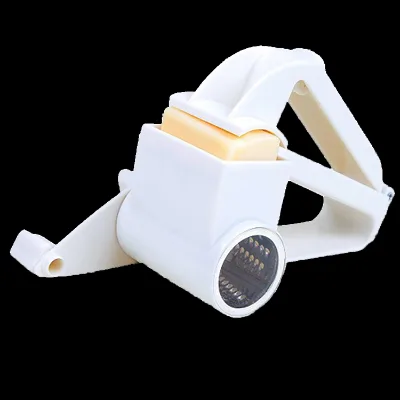
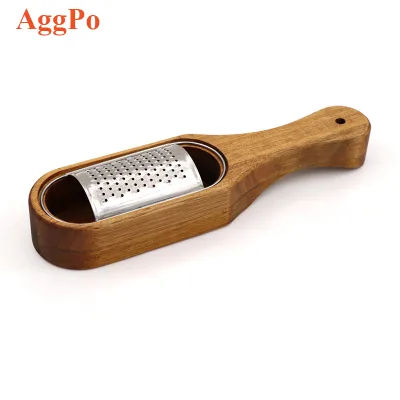
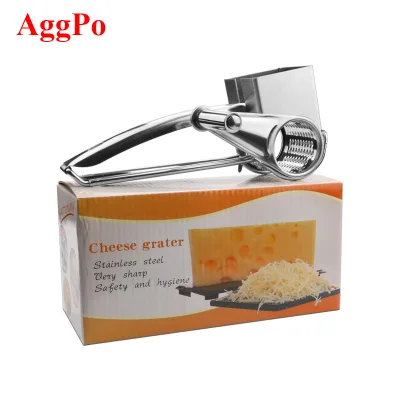


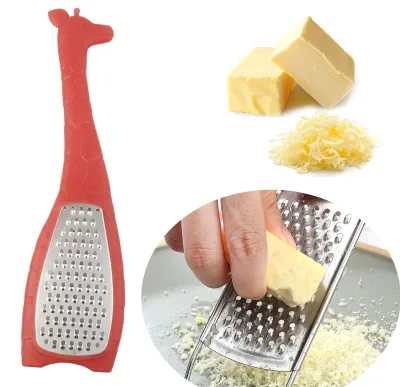
Comprehensive Sourcing Guide
Strategic Sourcing Guide for Multifunctional Eco-Friendly Cheese Graters
Understanding the Technical Landscape of Modern Cheese Graters
When sourcing a multifunctional eco-friendly cheese grater, buyers must first navigate a complex technical landscape where material composition and functional design intersect. The core of these products relies heavily on stainless steel blades, a material choice that ensures durability and resistance to corrosion during repeated use with acidic or salty dairy products. The observed product attributes indicate that the blade finishing process is critical, with options ranging from satin polish to mirror polish. This finishing step is not merely aesthetic; it directly impacts the cutting efficiency and the ease of cleaning, which are paramount for food safety and user satisfaction.
The functional capabilities of these tools extend beyond simple shredding. The observed data highlights a multifunctional design that integrates shredding, slicing, and grinding capabilities into a single unit. This versatility is often achieved through rotary mechanisms, allowing users to process various textures of cheese, from hard parmesan to soft brie, without changing tools. The design is frequently categorized as "single" unit operations, meaning the grater serves as a standalone appliance rather than a component of a larger system. However, the "multi-functional" classification suggests that the tool may include interchangeable parts or dual-sided surfaces to handle different cutting needs.
Material selection also plays a vital role in the eco-friendly narrative. While the primary cutting surface is metal, the structural components often utilize materials that support reusability. The observed attributes confirm that these products are designed to be reusable, a key differentiator from disposable alternatives. Furthermore, the storage characteristics are engineered for efficiency, with many models featuring stackable designs. This stackability reduces the volume required for shipping and storage, indirectly lowering the carbon footprint associated with logistics. The packaging is typically delivered in individual boxes or safe packages, ensuring that the product arrives in pristine condition, ready for retail display or direct consumer use.
Compliance and Certification Verification Protocols
In the B2B procurement of food-contact kitchenware, verifying compliance with international safety standards is non-negotiable. The supply chain for cheese graters is heavily regulated, particularly regarding materials that come into direct contact with food. Buyers must rigorously audit suppliers for specific certifications that validate the safety of the stainless steel and any auxiliary materials used in the handle or housing. The observed data confirms the presence of several critical certifications, including FDA (Food and Drug Administration) and LFGB (German Food and Feed Code), which are essential for markets in North America and Europe, respectively.
Beyond food safety, environmental and electrical safety certifications are increasingly important. The observed product attributes list CE/EU and EEC certifications, indicating compliance with European Union safety directives. These certifications ensure that the product meets strict requirements regarding mechanical safety and material toxicity. Additionally, CIQ (China Inspection and Quarantine) certification is noted, which is a mandatory export requirement for many Chinese manufacturers, verifying that the goods meet the standards of the destination country. The presence of these certifications suggests a robust quality management system, but buyers must request current, valid certificates for each specific product model rather than relying on general supplier claims.
The environmental aspect of the "eco-friendly" claim requires careful scrutiny. While the product is marked as reusable, buyers should verify if the manufacturing process adheres to any specific environmental standards. Although ISO 27001 is mentioned in the background data, it pertains to information security rather than environmental management, so it should not be cited as an environmental certification. Instead, buyers should look for evidence of sustainable sourcing for the stainless steel and the absence of harmful coatings or plastics in the final assembly. The "Customized" logo attribute also implies that the branding process must not introduce hazardous substances, which should be verified through material safety data sheets (MSDS) provided by the supplier.
Cost Drivers and Pricing Structure Analysis
The pricing structure for multifunctional cheese graters is influenced by a combination of material costs, manufacturing complexity, and order volume. The observed price range spans from $0.50 to $248.00 USD, a wide variance that reflects differences in product complexity, material grade, and packaging sophistication. At the lower end of the spectrum, prices likely correspond to basic models with simple stainless steel blades and minimal packaging, such as OPP bags. These units are often high-volume, low-margin items where the cost is driven primarily by raw material fluctuations and labor efficiency.
Conversely, the higher price points, reaching up to $248.00, are associated with premium configurations. These may include advanced features such as specialized blade geometries for grinding, enhanced ergonomic handles, or integrated storage solutions. The "Multi-functional Grater" classification often commands a premium over single-function tools due to the added engineering required to ensure multiple cutting surfaces operate safely and effectively. Additionally, the "Customization" attribute introduces a variable cost factor. Orders requiring custom logos, specific color finishes, or unique packaging designs will incur higher unit costs due to the setup fees and the need for smaller production runs.
Minimum Order Quantity (MOQ) is another significant cost driver. The observed MOQ range is between 10 and 3,000 units. Buyers ordering near the lower limit of 10 units may face higher per-unit costs due to the fixed costs of setup and machine calibration. In contrast, orders approaching the 3,000-unit threshold can leverage economies of scale, significantly reducing the unit price. The "Sample Time" of 7 days indicates that the production cycle is relatively agile, but larger orders will require longer lead times to accommodate the full production run. Buyers should negotiate based on their volume expectations, understanding that the price per unit is inversely proportional to the order quantity.
Typical Applications and Market Segmentation
The multifunctional nature of these cheese graters positions them for a diverse range of applications across both professional and consumer markets. The primary application is in the culinary arts, where the ability to shred, slice, and grind cheese simultaneously is highly valued by chefs and home cooks alike. The "Cheese Graters" and "Cheese Slicers" classifications indicate that these tools are versatile enough to handle various dairy products, making them suitable for restaurants, catering services, and retail food service operations. The "Flat Cheese Knife" attribute suggests that some models may also serve as spreading or serving tools, adding to their utility in food preparation and presentation.
In the retail sector, the "Eco-friendly" and "Reusable" attributes make these products attractive to environmentally conscious consumers. The stackable design and safe packaging enhance their appeal for retail display, as they can be easily stored on shelves and handled by customers without risk of damage. The "White" color option provides a clean, modern aesthetic that fits well with contemporary kitchen designs, while the "Customized" logo capability allows retailers to create private-label products that align with their brand identity.
The market segmentation also extends to the gift and promotional sectors. The "Customized" feature allows companies to brand these graters with corporate logos, making them effective promotional items for culinary events, trade shows, or corporate gifts. The "Piece" packaging format ensures that each unit is presented individually, which is ideal for gift-giving scenarios. The variety of models, identified by specific product codes like AG-J-0183, CRU-0017, and CB-KT405, suggests that there are distinct product lines catering to different price points and functional needs, allowing buyers to target specific market segments effectively.
Supplier Evaluation and Quality Assurance Framework
Evaluating suppliers for multifunctional cheese graters requires a comprehensive approach that goes beyond price comparisons. Buyers should prioritize suppliers who demonstrate a clear commitment to quality control and transparency. The presence of specific product models and standards, such as the dimensions listed for various models (e.g., total L28.1CM, total L39CM), indicates that suppliers have well-defined product lines. Buyers should verify that the supplier can consistently meet these dimensional specifications, as deviations can affect the product's fit and function.
Quality assurance should focus on the blade finishing process. The observed "Satin Polish/Mirror Polish" finishes must be consistent across all units to ensure that the blades are free from burrs or rough edges that could compromise food safety or user experience. Suppliers should be able to provide evidence of their polishing processes, such as quality control logs or third-party inspection reports. Additionally, the "Safe Package" and "Box" packaging options should be evaluated for their ability to protect the product during transit. Damaged packaging can lead to customer returns and reputational damage for the buyer.
The "Customization" capability is another critical factor in supplier evaluation. Buyers should assess the supplier's ability to handle custom orders, including the lead time for sample production and the flexibility of their design team. The observed "7 Days" sample time is a positive indicator of responsiveness, but buyers should confirm if this timeline holds for larger custom orders. Furthermore, the supplier's location, noted as "China" and specifically "Guangdong," should be considered in the context of logistics and supply chain resilience. Guangdong is a major manufacturing hub, but buyers should verify the supplier's capacity to scale production during peak seasons.
Long-Term Procurement and Sustainability Considerations
Long-term procurement of multifunctional cheese graters requires a strategic focus on sustainability and supply chain stability. The "Reusable" attribute is a strong foundation for sustainability, but buyers should look for additional indicators of environmental responsibility. This includes the supplier's commitment to reducing waste during manufacturing, using recyclable packaging materials, and minimizing energy consumption in the production process. The "Environmental Protection" attribute suggests that the product is designed with the environment in mind, but buyers should request detailed information on the lifecycle of the product, from raw material extraction to end-of-life disposal.
Supply chain stability is another critical consideration. The wide range of product models and certifications indicates a mature supply chain, but buyers should assess the supplier's ability to maintain consistent quality and delivery schedules. The "MOQ" range of 10 to 3,000 units suggests flexibility, but buyers should establish clear communication channels to manage order fluctuations. Long-term contracts with volume discounts can help stabilize costs and ensure priority production scheduling.
Finally, buyers should consider the potential for product evolution. As consumer preferences shift towards more specialized or innovative kitchen tools, suppliers with strong R&D capabilities will be better positioned to offer new models that meet emerging market demands. The "Customization" feature allows for continuous product improvement, enabling buyers to adapt their offerings to changing trends. By maintaining a strategic partnership with a reliable supplier, buyers can ensure a steady supply of high-quality, eco-friendly cheese graters that meet the evolving needs of their customers.
Comparative Analysis of Key Product Specifications
To facilitate informed decision-making, the following table summarizes the key specifications observed across different product models. This comparison highlights the diversity in dimensions, certifications, and packaging options available to buyers.
| Product Model | Standard Dimensions | Certification | Packaging Type | Key Attribute |
|---|---|---|---|---|
| AG-J-0183 | 9.2x8.2x10.2cm | FDA, LFGB, CE/EU, CIQ, EEC | Box | Multi-functional Grater |
| CRU-0017 | Total L28.1CM | FDA, LFGB | Safe Package | Cheese Grater |
| CRU-0013 | Total L37.5CM | FDA, LFGB | Safe Package | Cheese Slicer |
| CH-0093 | Total L24CM | FDA, LFGB | Safe Package | Cheese Slicer |
| CH-0092 | Total L38.2CM | FDA, LFGB | Safe Package | Cheese Slicer |
| CRU-0020 | Total L28CM | FDA, LFGB | Safe Package | Cheese Slicer |
| CB-KT405 | 24.3*5.5cm | FDA, LFGB | OPP Bag | Flat Cheese Knife |
| CB-KT0427 | 16.5*8.8CM | FDA, LFGB | OPP Bag | Flat Cheese Knife |
| CB-KT0409 | 12.2 x 1.73 x 1.1 inches | FDA, LFGB | OPP Bag | Flat Cheese Knife |
| CB-KT0425 | 20.5*9CM | FDA, LFGB | OPP Bag | Flat Cheese Knife |
| CB-KT0407 | N/A | FDA, LFGB | OPP Bag | Flat Cheese Knife |
| CB-KT0412 | N/A | FDA, LFGB | OPP Bag | Flat Cheese Knife |
This table illustrates that while the core certifications (FDA, LFGB) remain consistent across most models, the dimensions and packaging types vary significantly. Buyers should select models based on their specific market requirements, ensuring that the dimensions align with customer expectations and the packaging meets logistical needs. The "Safe Package" option is generally preferred for premium products, while "OPP Bag" is suitable for budget-friendly, high-volume items. By carefully analyzing these specifications, buyers can optimize their procurement strategy to balance cost, quality, and functionality.
FAQs
What certifications do multifunctional eco friendly cheese graters have?
These products hold FDA, LFGB, CE/EU, CIQ, and EEC certifications to ensure food safety and compliance. Buyers must verify current certificates for specific models rather than relying on general claims. The certifications validate material safety for direct food contact in North American and European markets.
How are the blades finished on these stainless steel graters?
The blades undergo a satin polish or mirror polish finishing process to ensure cutting efficiency and ease of cleaning. This treatment prevents burrs and maintains food safety standards during repeated use. The finish directly impacts the tool's performance when shredding or grinding various cheese textures.
Which customization options are available for these cheese grater models?
Customization is available for logos, colors, and packaging designs to meet specific branding needs. Buyers should note that custom orders may incur higher unit costs due to setup fees. The product supports private labeling with a typical sample time of seven days for design approval.
Can these graters be used for slicing and grinding as well as shredding?
Yes, the multifunctional design integrates shredding, slicing, and grinding capabilities into a single rotary unit. This versatility allows users to process different cheese textures without changing tools. The single-unit design ensures efficient operation for both home cooks and professional culinary applications.
What is the minimum order quantity for these stainless steel cheese graters?
The minimum order quantity ranges from 10 to 3,000 units depending on the specific model and customization requirements. Lower MOQs may result in higher per-unit costs due to fixed setup expenses. Buyers ordering near the 3,000-unit threshold can leverage economies of scale to reduce prices.
Where are these multifunctional cheese graters manufactured and shipped from?
The products originate from China, with specific manufacturing hubs located in Guangdong. Buyers should consider this location when calculating logistics costs and lead times for international shipping. The origin ensures access to established supply chains for stainless steel components and assembly.
How are these eco friendly cheese graters packaged for safe transport?
Packaging options include individual boxes, safe packages, or OPP bags depending on the specific product model. The stackable design of the graters reduces volume during shipping and storage. This packaging ensures the product arrives in pristine condition for retail display or direct consumer use.